
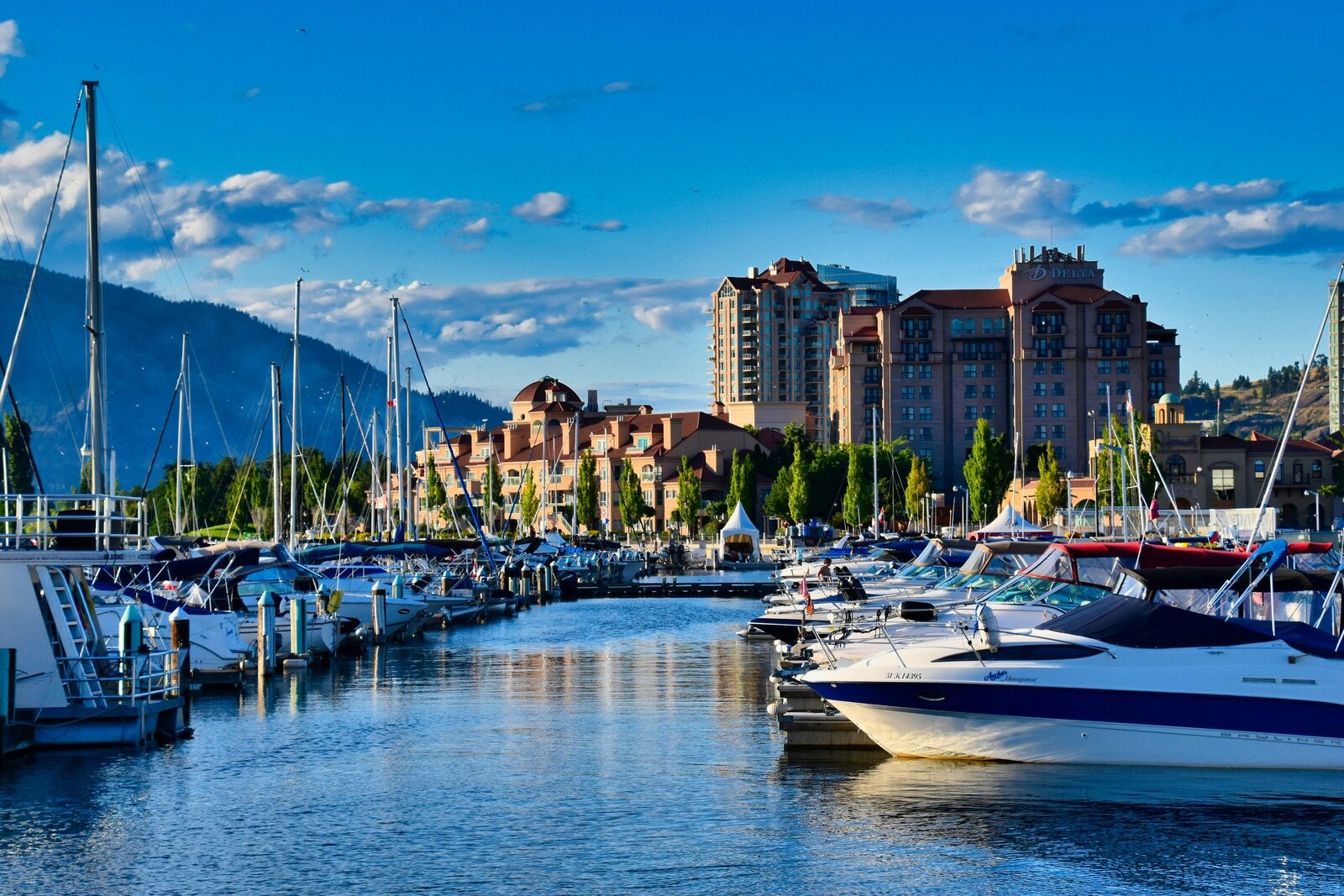
If you own property in Kelowna, or you're thinking about buying one specifically for Airbnb income, pay attention to this one. Starting June 1, 2026, Kelowna became the only municipality in BC approved for both an opt-out and an accelerated timeline on the province's short-term rental restrictions. That's a big deal, and most owners I talk to still don't fully understand what changed.

 I've been fielding a lot of these conversations lately, and every property is different. If you want a straight answer on where your home or a property you're considering actually stands under the new rules, reach out and I'll help you sort through it.
What actually happened
Back in 2023 and 2024, the province cracked down hard on short-term rentals across BC, tying most licences to a host's principal residence. Kelowna pushed back, citing strong rental vacancy data and its own local housing policy, and the province granted the city permission to set its own rules ahead of schedule.
As of June 1, 2026, hosts applying for provincial STR registration in Kelowna no longer have to meet the principal residence requirement, but only in specific tourism-zoned buildings the city has designated for primary-use short-term rentals. Everywhere else in the city, the principal residence rule still applies. In plain terms: the city carved out pockets where full-time Airbnb operations are welcome again, while protecting long-term rental supply in the rest of town.
What owners still need to do
Even in the newly opened zones, this isn't a free-for-all. You'll need a local business licence, which runs $345 a year and has to be uploaded at the time of your provincial application. Strata consent, if you're in a building with a strata. Guest parking, if you offer it, disclosed in your listing and kept on your own property. And only one guest booking per unit at a time, no splitting a property into multiple simultaneous rentals.
Why this matters if you're buying
I'm getting calls every week from buyers asking, can I Airbnb this? The honest answer now depends entirely on the address, not just the zoning map from two years ago. A condo in a tourism-zoned building downtown or near the waterfront might qualify for primary-use short-term rental. A townhome in Glenmore or Rutland almost certainly won't, unless it's your actual home for most of the year.
This is exactly the kind of detail that gets missed until closing, and it can change your numbers by tens of thousands of dollars a year in projected income. If STR income is part of your buying decision, we need to check the specific building and zone before you write an offer, not after.
What owners should do right now
If you already own a short-term rental in Kelowna, confirm your building's zoning status and pull your business licence before your next booking season. If your building doesn't qualify for primary-use STR, it doesn't mean the property is worthless as an investment, it just means the math shifts toward long-term tenancy or seasonal rental instead.
I've been fielding a lot of these conversations lately, and every property is different. If you want a straight answer on where your home or a property you're considering actually stands under the new rules, reach out and I'll help you sort through it.Tarynn Liv Parker
Sutton Centre Realty, Kelowna
250-215-4076 | tarynn@tarynnlivparkerhomes.com
This post is for general informational purposes only and reflects publicly available data as of July 2026 from the Canadian Real Estate Association (CREA), the Association of Interior REALTORS®, Statistics Canada migration data, and City of Kelowna and provincial short-term rental reporting. It does not constitute financial, mortgage, or investment advice. Benchmark prices and affordability figures vary by neighbourhood and property type, consult a licensed REALTOR®, mortgage professional, and financial advisor for guidance specific to your situation.